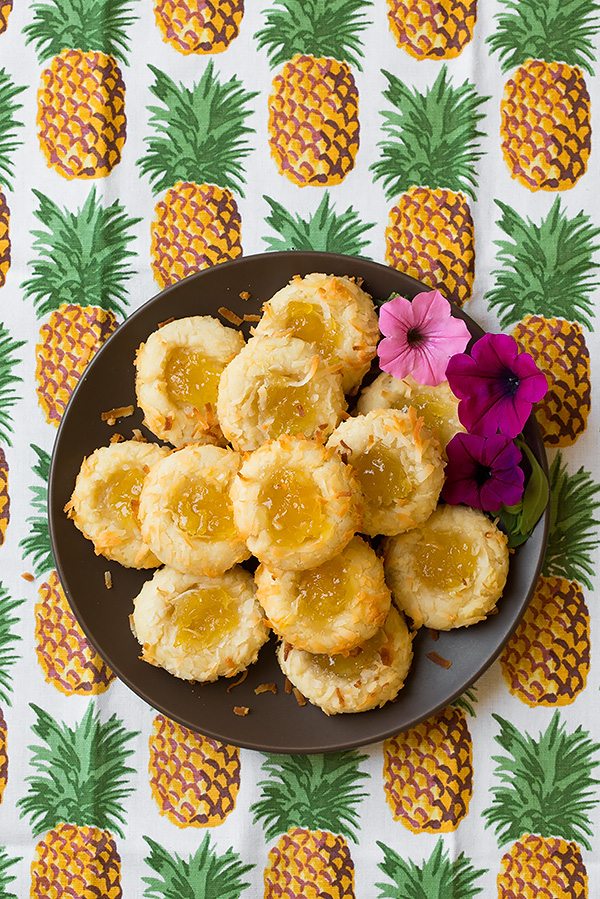
Pineapple Coconut Thumbprints: Your Customizable Tropical Cookie Escape
Imagine biting into a soft, buttery cookie that instantly transports you to a sun-drenched beach, with gentle waves lapping at the shore and the scent of exotic fruits in the air. That’s the magic of pineapple coconut thumbprint cookies. These delightful treats combine the tender richness of a classic shortbread with the vibrant, tropical flavors of sweet pineapple and creamy coconut, making every mouthful feel like a mini-vacation. They're not just incredibly delicious; they're also surprisingly easy to make and wonderfully customizable, perfect for any occasion from a casual afternoon treat to an impressive party dessert. Whether you're a seasoned baker or just starting your culinary journey, these charming thumbprint cookies offer a straightforward path to creating something truly special. Their inherent visual appeal, with a golden cookie base cradling a jewel-toned fruit center, makes them a standout on any dessert platter. And the best part? You have the power to tailor them to your exact preferences, making each batch uniquely yours.The Allure of Pineapple Coconut Thumbprint Cookies
What makes pineapple coconut thumbprint cookies so universally adored? It's a symphony of textures and flavors. The base is a tender, crumbly shortbread, rich with butter, that practically melts in your mouth. This delicate foundation is infused with the subtle, nutty sweetness of shredded coconut, which often gets a golden toast around the edges during baking, adding another layer of flavor and a delightful chew. Nestled in the center of each cookie is a dollop of bright, tangy pineapple preserve. This fruity burst provides a perfect counterpoint to the buttery cookie, cutting through the richness with its sweet-tart profile. The combination is simply irresistible – a balanced, harmonious blend that evokes tropical bliss. They’re a fantastic choice for gatherings because they’re easy to portion, less messy than a slice of cake, and always elicit smiles and compliments. Plus, they look incredibly charming, making them a delightful gift or a festive addition to any holiday cookie swap.Crafting Your Tropical Base: Key Ingredients and Smart Substitutions
The beauty of the pineapple coconut thumbprint cookies recipe lies in its simplicity, utilizing staple pantry ingredients to create something extraordinary. Understanding each component not only helps you follow the recipe but also empowers you to make informed substitutions and create your own signature twist.For a quick rundown on getting started with these delightful treats, check out our guide on Easy Pineapple Coconut Thumbprints: Quick Tropical Treat.
Here’s a closer look at the essential ingredients:- Unsalted Butter: The cornerstone of any good shortbread, unsalted butter provides richness, tenderness, and flavor. Using unsalted butter gives you precise control over the overall saltiness of your cookies. If you only have salted butter on hand, simply reduce the added salt in the recipe by about ¼ teaspoon to maintain balance. Ensure your butter is softened to room temperature for optimal creaming.
- Granulated Sugar: This provides the primary sweetness and contributes to the cookie's delicate structure and golden-brown edges. For a deeper, warmer flavor profile and a slightly chewier texture, you could easily substitute granulated sugar with light brown sugar. The molasses in brown sugar adds a lovely depth that pairs beautifully with the tropical notes.
- Large Egg Yolk: The egg yolk is a secret weapon in shortbread. It adds richness, helps bind the dough, and contributes to a wonderfully tender, melt-in-your-mouth crumb. It’s crucial for achieving that characteristic delicate texture without making the cookie too cake-like.
- Vanilla Extract: A classic flavor enhancer, vanilla extract elevates the overall taste of the cookie. To amplify the tropical essence, consider adding a touch of coconut extract alongside or in place of some vanilla. A hint of rum extract could also add a sophisticated, island-inspired twist.
- All-Purpose Flour: This provides the necessary structure for your cookies. Measure it correctly by spooning it into a measuring cup and leveling it off, rather than scooping directly, to avoid a dense cookie.
- Salt: A small amount of salt is vital for balancing the sweetness and enhancing all the other flavors in the cookie.
- Shredded Sweetened Coconut: This ingredient is key for that unmistakable tropical flavor and chewy texture. You’ll use it both in the dough and often for rolling the cookie balls, creating a lovely toasted exterior. If you prefer less sweetness, unsweetened shredded coconut is an excellent alternative. For an extra layer of flavor and crunch, try toasting some of the coconut lightly before adding it to the dough or rolling in it.
- Pineapple Preserves or Jam: The vibrant, fruity heart of your thumbprint cookies. Pineapple preserves offer that perfect balance of sweet and tangy. If pineapple isn't available, apricot or peach jam makes a delicious substitute, providing a similar fruity sweetness that complements coconut wonderfully. For an extra bright, zesty kick to your preserves, stir in a tiny bit of fresh lemon or lime juice and a pinch of zest before filling the cookies.
Mastering the Art of the Perfect Thumbprint
Creating beautiful, uniform pineapple coconut thumbprint cookies is simpler than you might think, especially with a few key techniques. The process involves standard cookie-making steps, but attention to detail in the rolling and indenting stages makes all the difference.- Preheat and Prepare: Always start by preheating your oven to 350°F (175°C). An evenly heated oven ensures consistent baking. Line your baking sheets with parchment paper or silicone baking mats to prevent sticking and make cleanup a breeze.
- Cream Butter and Sugar: In a large mixing bowl, cream together the softened unsalted butter and granulated sugar until the mixture is light, fluffy, and pale yellow. This usually takes 2-3 minutes with an electric mixer. This step incorporates air into the butter, contributing to the cookies' tender texture.
- Add Egg Yolk and Vanilla: Beat in the large egg yolk and vanilla extract (and any coconut or rum extract you're using) until just combined. Overmixing here can toughen the cookie.
- Mix Dry Ingredients: In a separate bowl, whisk together the all-purpose flour and salt. Gradually add this dry mixture to the wet ingredients, mixing on low speed until just combined. Be careful not to overmix, as this can develop the gluten in the flour, leading to tougher cookies. Gently fold in the shredded coconut until evenly distributed.
- Forming the Cookies: This is where precision pays off for perfectly rounded cookies.
- Portioning: For uniform cookies, measure out 1-inch sections of dough. A small cookie scoop (about 1 tablespoon capacity) is excellent for consistency.
- Rolling: Roll each section of dough into a smooth, even ball between your palms. Keeping your hands slightly damp can help prevent the dough from sticking.
- Coconut Coating: If desired, roll the dough balls in extra shredded coconut for an irresistible exterior crunch and flavor boost.
- Flattening and Indenting: After rolling, gently flatten each ball slightly. This provides a more stable base for the indentation and helps the cookie hold its shape better during baking. Then, use your thumb (or the back of a small measuring spoon, or a round object like a wine cork) to create a clear, deep indentation in the center of each cookie.
- Filling the Cookies: Spoon a small amount (about ½ teaspoon) of pineapple preserves into each indentation. Be mindful not to overfill, as the preserves can bubble over during baking and create a messy edge.
Beyond the Basics: Customization & Creative Twists
The "customizable" in pineapple coconut thumbprint cookies isn't just a suggestion; it's an invitation to unleash your creativity! While the classic recipe is divine, there are endless ways to personalize these tropical treats.- Alternate Fillings: Embrace the tropical theme with mango, passion fruit, guava, or even a mixed berry jam. For a less sweet option, consider a lemon curd for a zesty contrast.
- Dough Enhancements: Infuse the dough with fresh lime zest for a brighter profile, or a pinch of ginger or cardamom for a hint of warmth and spice that complements the fruit beautifully. You could also fold in finely chopped toasted macadamia nuts for an extra layer of crunch and rich, nutty flavor, or even a few white chocolate chips.
- Post-Bake Finishes: Once cooled, these cookies are a canvas for additional flourishes.
- Glazes: A simple drizzle of white chocolate, dark chocolate, or a vibrant lime glaze (powdered sugar mixed with lime juice) adds an elegant touch and another layer of flavor.
- Candied Fruit: Garnish with a tiny piece of candied pineapple or toasted coconut flakes for visual appeal and textural variety.
- Nut Topping: A sprinkle of finely chopped, toasted macadamia nuts or slivered almonds after baking can add sophistication.
- Seasonal Swaps: While inherently tropical, these cookies can adapt. For a holiday twist, use cranberry sauce as the filling and a sprinkle of orange zest in the dough.
Baking & Storage Tips for Success
With about 15 minutes of prep and another 15 minutes in the oven, you're looking at roughly 30-40 minutes from start to finish to enjoy these incredible cookies. Here’s how to ensure they turn out perfectly every time:- Baking Time: Bake for approximately 12-15 minutes, or until the edges are lightly golden. The centers should still look slightly soft but will firm up as they cool. Overbaking can lead to dry cookies.
- Cooling: Allow the cookies to cool on the baking sheet for a few minutes before carefully transferring them to a wire rack to cool completely. This prevents them from breaking and allows the jam to set.
- Storage: Store your pineapple coconut thumbprint cookies in an airtight container at room temperature for up to 3-4 days. In very warm or humid climates, refrigerating them might be a better option to maintain freshness and prevent the jam from becoming too sticky.
- Freezing: These cookies freeze beautifully! You can freeze the baked cookies (without the jam, if you prefer, and then fill after thawing) or even freeze the raw dough balls. Flash freeze on a baking sheet until solid, then transfer to a freezer-safe bag for up to 2-3 months. Thaw frozen dough in the refrigerator before baking, or bake from frozen, adding a few extra minutes to the baking time.
- Troubleshooting:
- Cookies Spreading Too Much: Ensure your butter wasn't too soft, you measured your flour correctly, and your dough was adequately chilled if recommended by the recipe (though this recipe typically doesn't require chilling, it can help in warm kitchens).
- Jam Overflowing: You likely overfilled the indentation. Stick to a conservative amount and make sure your indentation is deep enough.
- Dry or Crumbly Dough: This often means you’ve added too much flour or overmixed the dough.
For even more expert advice on achieving perfection with every batch, explore our in-depth article on Bake Perfect Pineapple Coconut Thumbprints: Pro Tips Inside.
